After weeks of apparent calm, Cuba’s informal FX market is back under the spotlight. The dollar, euro and MLC are recovering value, reminding everyone that the parallel rate remains the only real thermometer for household budgets, remittances and the way private businesses operate.
💵 Why did the currencies bounce back?
Recent quotes show USD, EUR and MLC rising again after a temporary drop caused by sentiment, not fundamentals:
- Media offensives and smear campaigns against platforms such as elTOQUE.
- Sellers afraid to post offers across social networks.
- Lower visible volume plus anxiety about potential state intervention.
- Digital repression and monitoring of trading groups.
As soon as that pressure faded and listings returned, rates moved back toward their “natural” range: demand, scarcity of foreign currency and inflation never disappeared.
📌 Why the previous drop was unsustainable
The earlier dip was perception-driven. There were no production gains, fresh hard currency sources, wage improvements, industrial recovery or inflation relief. With no structural fix, the informal economy inevitably resurfaced.
📊 Drivers behind the new surge
- Structural FX deficit: the government needs dollars for fuel and imports, yet exports bring in too little cash.
- Ongoing CUP devaluation: the peso keeps losing value and reinforces negative expectations.
- Dollarized services: MLC stores, USD-only gas stations, consular fees, digital services and private repairs require hard currency.
- MSMEs benchmarked to the informal dollar: even when selling in CUP, they recalculate prices with the parallel rate; when the dollar rises, prices follow.
🔍 What about elTOQUE’s role?
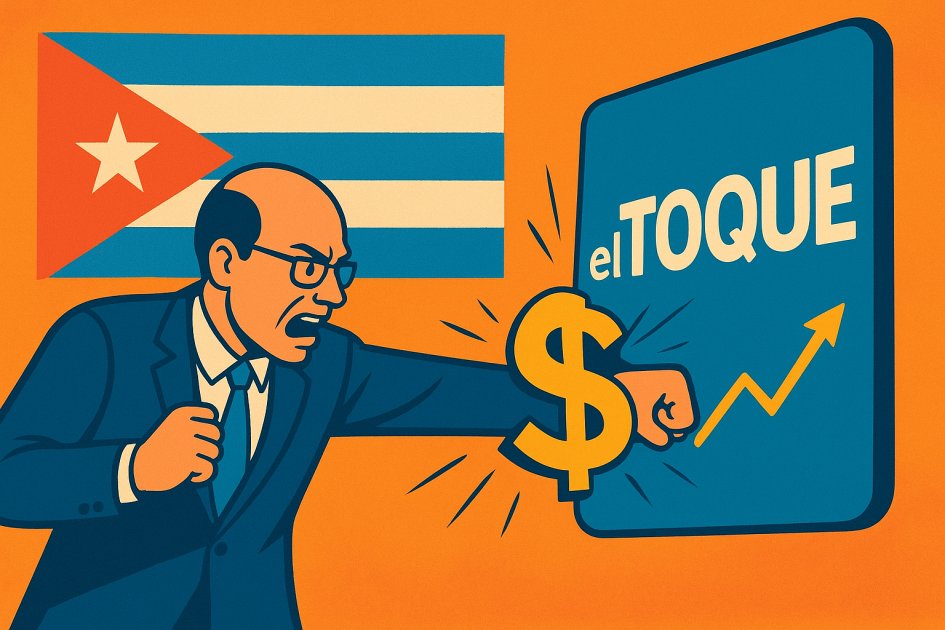
Official voices such as Sandro Castro accuse elTOQUE of “manipulating” the market. Yet:
- The informal market existed long before the platform.
- elTOQUE simply publishes third-party offers; it does not set prices.
- Supply and demand, not a website, decide the real exchange rate.
Blaming elTOQUE is like blaming the thermometer for the fever. Does it have limitations? Yes—opaque methodology, reliance on declared offers and a de facto monopoly as a public reference. Still, it remains the most visible guide available.
🆚 Billetaxo and the open FX marketplace
Billetaxo is pushing a different model:
- Open marketplace at billetaxo.com/mercado-divisas/ where users post real bids and asks.
- Community-generated data coming from voluntary transactions.
- Full transparency: zero editorial interpretation and no black-box algorithms.
The goal is a more democratic, verifiable rate in which citizens create the market while Billetaxo provides technology, security and visualization.
📉 The same cycle on repeat
Without structural reform, the informal market will keep oscillating between:
- Panic → artificial drop
- Adjustment → inevitable rebound
The underlying trend remains clear:
- 🟥 The CUP will continue to lose value.
- 🟩 Inflation will keep pressuring wages and savings.
- 🟦 The informal market will stay the reference for families, remittances and MSMEs.
✅ Takeaway
The rally in USD, EUR and MLC confirms that Cuba’s economy still operates outside official channels. Until the FX deficit, the lack of trust in CUP and chronic inflation are fixed, communication crackdowns will only deliver short-lived dips. Meanwhile, platforms such as Billetaxo can add transparency, open data and modern tools so citizens make informed decisions amid high volatility.